Space Lasers Energy Test: The Real Benefits You Need to Know
Space lasers energy test reveals their potential for clean power generation.
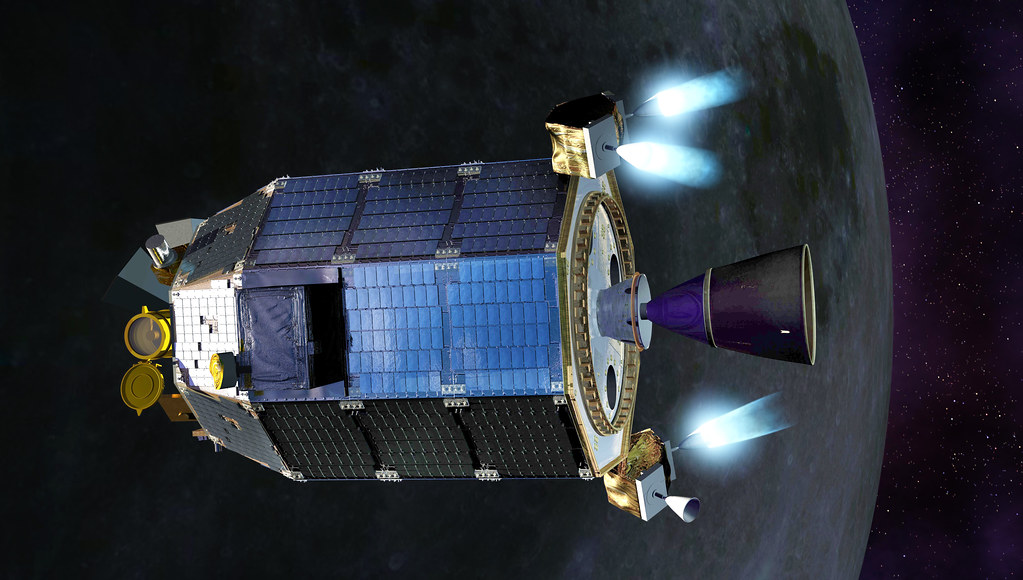
Space lasers energy test is set to demonstrate groundbreaking advancements in sustainable energy generation. This innovative technology could reshape how we harness power.
What Are Space Lasers?
Space lasers, a cutting-edge technology in the field of energy generation, utilize concentrated beams of light to transmit energy from space to Earth. These systems are designed to harness solar energy using powerful lasers, which can potentially provide a reliable and renewable energy source.
The core concept behind space lasers is relatively simple: solar panels in orbit collect sunlight and convert it into electricity. This electricity is then transformed into laser light, which is beamed to receiving stations on Earth. The advantages of this method include:
- Continuous Energy Supply: Unlike traditional solar panels that rely on sunlight, space-based systems can operate 24/7, unaffected by weather conditions or nighttime.
- Reduced Land Use: Space lasers require minimal ground infrastructure, preserving land for agriculture and natural habitats.
- Safety and Efficiency: The energy transmission is designed to be safe for the environment and can be finely controlled to minimize loss during transfer.
The upcoming space lasers energy test will evaluate the feasibility and efficiency of this innovative approach, potentially paving the way for a new era in sustainable energy generation.
The Science Behind Energy Generation
The concept of harnessing energy from space lasers is grounded in advanced scientific principles that combine physics and engineering. The core idea revolves around directing high-intensity laser beams from satellites to Earth-based receivers.
These lasers operate by converting solar energy into a concentrated beam of light, which can travel vast distances without significant loss of power. The technology behind this method involves several key elements:
- Photon Generation: Photons generated by solar panels in space can be amplified into powerful laser beams.
- Beam Steering: Advanced tracking systems ensure that the laser is accurately aimed at designated receiving stations on Earth.
- Energy Conversion: Once the laser reaches the ground, it is converted back into electricity using photonic receivers, providing a clean and renewable energy source.
This innovative approach, often referred to as a space lasers energy test, aims to demonstrate the feasibility of delivering energy from space to meet terrestrial needs. As researchers continue to refine the technology, the potential benefits for global energy supply are becoming increasingly evident.
Upcoming Tests and Expectations
As the excitement surrounding space lasers energy test builds, researchers are preparing for a series of upcoming experiments that could reshape our approach to energy generation. These tests are designed to assess the practical applications of laser technology in harnessing solar energy from space and beaming it back to Earth.
The first of these tests is scheduled to take place next month, with scientists from various institutions collaborating to refine the technology. Key expectations from the tests include:
- Efficiency: Determining how effectively the lasers can convert solar energy into usable power.
- Safety: Evaluating the safety protocols in place for beaming energy back to Earth.
- Cost-effectiveness: Analyzing the financial viability of deploying such systems on a larger scale.
- Environmental impact: Assessing the ecological effects of utilizing space-based energy sources.
These space lasers energy tests not only aim to provide insights into the feasibility of this cutting-edge technology but also offer a glimpse into the future of sustainable energy solutions. As the results come in, they could pave the way for a revolution in how we harness energy.
Potential Benefits of Space Lasers
The potential benefits of space lasers are drawing significant interest as researchers prepare for the upcoming space lasers energy test. These advanced systems promise to revolutionize the way we generate and distribute energy on Earth.
- Renewable Energy Source: Space lasers could harness solar energy in space, converting it into microwave energy that can be beamed back to Earth. This method provides a continuous energy supply, unhindered by weather or daylight conditions.
- Reduced Carbon Footprint: By relying on space-based solar power, we could significantly lower our dependence on fossil fuels. This shift could lead to a cleaner environment and a substantial reduction in greenhouse gas emissions.
- Global Energy Distribution: Space lasers could enable energy distribution to remote or disaster-stricken areas, providing essential power where traditional infrastructure fails.
- Increased Efficiency: The efficiency of converting and transmitting energy via space lasers is projected to surpass current methods, potentially lowering energy costs for consumers.
As the technology evolves, the implications of the space lasers energy test could usher in a new era of energy solutions.
Challenges Facing Space Laser Technology
The development of space lasers for energy generation presents several challenges that researchers must overcome. These obstacles can significantly impact the success of the upcoming space lasers energy test.
- Technical Limitations: Designing lasers that can operate efficiently in the harsh conditions of space remains a daunting task. Engineers must ensure that these systems are robust enough to withstand extreme temperatures and radiation.
- Energy Transmission: One of the primary challenges is transmitting the energy generated by space lasers back to Earth. Current methods need refinement to minimize energy loss during transmission, making it a critical focus for researchers.
- Cost Implications: The financial investment required for developing and launching space laser technology can be prohibitive. Securing funding and managing costs are essential for the project’s viability.
- Regulatory Hurdles: Navigating the complex web of international regulations governing space activities poses another challenge. Ensuring compliance while fostering innovation is a balancing act for stakeholders.
Addressing these challenges will be crucial to unlocking the potential of space lasers for sustainable energy solutions.
Comparing Space Lasers to Traditional Energy
As the world moves towards sustainable energy solutions, comparing space lasers to traditional energy sources is crucial. Traditional energy methods, such as fossil fuels and even solar panels, have their limitations, particularly in efficiency and environmental impact. In contrast, space lasers energy tests are set to explore a revolutionary approach to harnessing power.
One of the primary differences lies in the delivery mechanism. While traditional energy sources require extensive infrastructure for distribution, space lasers can transmit energy directly from orbit to specific locations on Earth. This method could significantly reduce energy loss that typically occurs during transmission through power lines.
Moreover, space lasers have the potential to provide a constant and reliable energy supply, unaffected by weather conditions that often hinder solar and wind energy production. This reliability makes them a promising alternative for powering remote areas or disaster-stricken regions where traditional power sources may fail.
In conclusion, as we await the results of the upcoming space lasers energy test, the advantages over conventional systems are becoming increasingly evident, paving the way for a cleaner and more efficient energy future.
Expert Opinions on the Technology
Experts in the field of energy and technology are watching closely as the upcoming space lasers energy test approaches. Dr. Emily Carter, a leading astrophysicist, emphasizes the transformative potential of this technology. “If successful, space lasers could revolutionize how we generate and distribute energy on Earth,” she stated during a recent conference.
Another expert, Dr. Rajiv Kumar, a renewable energy analyst, notes the environmental benefits. “Harnessing power from space could significantly reduce our carbon footprint, as it offers a cleaner alternative to fossil fuels,” he explained. He believes this could pave the way for more sustainable energy practices globally.
Moreover, Dr. Linda Martinez, a technology researcher, highlighted the importance of public perception: “Education is key. People need to understand the safety and efficacy of these technologies to gain their support.” As the space lasers energy test approaches, experts agree that successful results could lead to increased funding and research into this innovative field.
In summary, the anticipation surrounding the space lasers energy test is driven by the promising insights from experts, who believe it could mark a significant milestone in energy technology.
Future of Energy: What’s Next?
The future of energy is poised for a radical transformation with the advent of space lasers. As the space lasers energy test approaches, it promises to unveil groundbreaking advancements that could redefine how we harness power. The potential applications of this technology extend far beyond traditional energy sources.
One major benefit lies in the ability to collect solar energy from space, which is not hindered by atmospheric conditions. This could lead to a more consistent and reliable energy supply, significantly reducing our dependence on fossil fuels. Moreover, the prospect of beaming energy directly to remote or disaster-stricken areas is an exciting development that could save lives and enhance energy accessibility.
As investment in space technology continues to grow, collaboration between governments and private sectors will be crucial in overcoming existing challenges. Ongoing research and development will not only address technical barriers but also ensure that space lasers are safe and environmentally sustainable.
Looking ahead, the successful implementation of space lasers could usher in a new era of energy production, creating a more resilient and efficient global energy grid.
The results from the space lasers energy test have shown promising potential for renewable energy sources. Researchers believe that the space lasers energy test could revolutionize how we harness solar power from space.
By NASA Goddard Photo and Video via Openverse
Sources
You might also like
OpenAI GPT-6.1 Astra: The Worst Safety Concerns Revealed · Claude Sonnet 5.5: The Quick, Easy AI Model You Need · Witcher 3 Remaster Release: Everything You Need to Know




1 thought on “Space Lasers Energy Test: The Real Benefits You Need to Know”