Nvidia Supply Chain: What’s the Real Cost of $279 Billion?
Nvidia supply chain costs have ballooned to $279 billion. What does this mean for the chipmaker’s future growth?
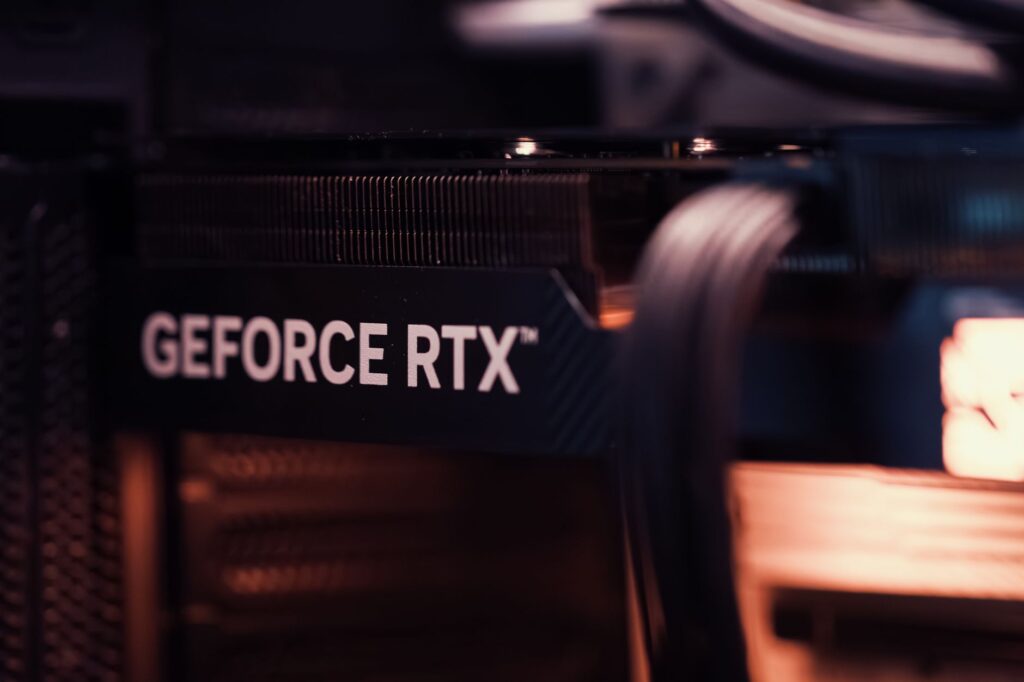
Nvidia supply chain issues have led to a staggering bill of $279 billion. As the chipmaker gears up for its next growth surge, the implications are significant.
Understanding Nvidia’s Supply Chain Costs
Nvidia has recently reported a staggering supply chain cost of $279 billion, raising questions about the implications of such expenses on its overall business strategy. As the company gears up for its next growth surge, understanding the intricacies of Nvidia’s supply chain costs becomes crucial.
The significant increase in supply chain expenses can be attributed to several factors:
- Raw Material Prices: The rising costs of essential materials such as silicon and metals have impacted production expenses.
- Logistics Challenges: Global shipping disruptions and increased freight charges have added to the financial burden, complicating timely product delivery.
- Technological Investments: To maintain its competitive edge, Nvidia is investing heavily in advanced manufacturing technologies and supply chain innovations.
- Labor Costs: A tightening labor market has led to higher wages for skilled workers, further inflating operational costs.
As Nvidia navigates these challenges, the company is also exploring ways to optimize its supply chain, aiming for greater efficiency without sacrificing quality. The balance between growth and cost management will be key in determining how effectively Nvidia can leverage its supply chain to support future advancements in technology and market expansion.
Impact of Supply Chain on Nvidia’s Growth
The impact of the supply chain on Nvidia’s growth cannot be overstated, especially as the company’s supply chain costs have surged to an astonishing $279 billion. This significant expenditure raises questions about efficiency and profitability as Nvidia prepares for its next phase of expansion.
One of the primary challenges facing Nvidia is the need to maintain a robust supply chain capable of supporting its ambitious growth targets. The company relies heavily on a network of suppliers for raw materials and components essential for its cutting-edge graphics processing units (GPUs). Any disruption in this network can lead to delays in production and impact revenue.
Moreover, rising costs associated with logistics, transportation, and material sourcing can erode profit margins. Nvidia’s ability to navigate these challenges will be crucial as it seeks to capitalize on increasing demand for AI technologies, gaming, and data center solutions.
Industry analysts suggest that Nvidia must invest strategically in its supply chain to mitigate risks and ensure sustainable growth. This includes:
- Strengthening relationships with key suppliers
- Diversifying sourcing strategies
- Investing in technology to enhance supply chain visibility
Ultimately, the efficiency of Nvidia’s supply chain will play a pivotal role in determining the company’s overall success in a competitive market landscape.
Nvidia’s Strategic Plans for the Future
Nvidia is actively redefining its strategic plans to navigate the complexities of its supply chain, especially in light of its staggering $279 billion expenditure. With the semiconductor industry facing unprecedented challenges, Nvidia recognizes that optimizing its supply chain is crucial for sustaining its competitive edge.
One of the key elements of Nvidia’s strategy involves investing in advanced manufacturing processes and technologies. By collaborating with leading fabrication partners, Nvidia aims to enhance production efficiency and reduce lead times. This approach not only mitigates risks associated with supply chain disruptions but also positions Nvidia to respond swiftly to market demands.
Moreover, Nvidia is focusing on diversifying its supplier base. This strategic move is intended to minimize dependency on a few key suppliers, thereby increasing resilience against potential shortages or geopolitical tensions. By establishing relationships with multiple vendors, Nvidia enhances its ability to secure essential components, which is vital for meeting the growing demand for its cutting-edge products.
In addition, Nvidia is exploring opportunities in vertical integration. By bringing certain manufacturing processes in-house, the company seeks to gain greater control over its supply chain, ultimately leading to cost savings and improved quality assurance.
Through these strategic initiatives, Nvidia aims to solidify its position in the market while effectively managing the complexities of its supply chain.
Challenges Facing Nvidia in Supply Chain Management
Nvidia, a leader in graphics processing units, is currently facing significant challenges in its supply chain management. As the company’s supply chain costs soar to $279 billion, several factors contribute to these escalating expenses.
- Global Chip Shortages: The ongoing semiconductor shortage has resulted in increased competition for raw materials and manufacturing capacity, hindering Nvidia’s ability to meet demand.
- Logistical Issues: Disruptions in global shipping routes, exacerbated by pandemic-related delays, have led to longer lead times and increased shipping costs.
- Geopolitical Tensions: Trade disputes and regulatory changes can impact Nvidia’s operations, particularly in key markets like China, where supply chains are tightly interwoven.
- Rising Costs: Inflation and rising labor costs are putting additional pressure on Nvidia’s bottom line, as suppliers also struggle with their expenses.
- Technological Advancements: As Nvidia continues to innovate, the need for advanced manufacturing processes and materials complicates supply chain management, requiring substantial investment.
In navigating these challenges, Nvidia must adapt its supply chain strategies to mitigate risks and sustain growth, ultimately determining the real cost of its expansive supply chain framework.
How Nvidia Can Optimize Its Supply Chain
As Nvidia navigates the complexities of its supply chain, optimizing its operations becomes critical to managing the escalating costs, which now stand at an astonishing $279 billion. To enhance efficiency, Nvidia can adopt several strategies.
- Investing in Automation: By incorporating advanced automation technologies in manufacturing and logistics, Nvidia can streamline its processes, reduce labor costs, and increase production speed.
- Diversifying Suppliers: Establishing partnerships with a broader range of suppliers can mitigate risks associated with dependency on a limited number of sources, especially during global disruptions.
- Enhancing Supply Chain Visibility: Implementing real-time tracking systems can provide insights into inventory levels, production schedules, and shipping statuses, allowing for better decision-making and responsiveness.
- Adopting Sustainable Practices: By focusing on sustainability, Nvidia can not only improve its brand image but also reduce long-term costs associated with waste and inefficient resource use.
- Utilizing Advanced Analytics: Leveraging data analytics to forecast demand and optimize inventory management can help Nvidia align its production with market needs, reducing excess stock and minimizing waste.
By implementing these strategies, Nvidia can enhance its supply chain efficiency, ultimately supporting its ambitious growth objectives while managing costs effectively.
The Role of AI in Nvidia’s Supply Chain
The integration of artificial intelligence into Nvidia’s supply chain is rapidly reshaping the landscape of its operations. As the company navigates the complexities of a $279 billion supply chain, AI serves as a critical tool in enhancing efficiency and reducing costs.
Through advanced algorithms and machine learning, Nvidia can analyze vast amounts of data to forecast demand more accurately. This capability enables the company to optimize inventory levels, ensuring that it meets market needs without incurring excess costs. Moreover, AI-driven analytics allow Nvidia to identify potential supply chain disruptions before they escalate, facilitating proactive measures.
Additionally, AI helps streamline logistics by optimizing delivery routes and managing supplier relationships. This not only reduces transportation costs but also improves delivery times, both of which are vital for maintaining competitive advantage in the rapidly evolving tech market.
However, the reliance on AI introduces new challenges. Data security concerns and the potential for algorithmic bias must be addressed to fully harness the benefits of AI. As Nvidia continues to invest in its supply chain capabilities, the role of AI will likely expand, driving further innovation and efficiency.
Ultimately, the intersection of AI and Nvidia’s supply chain represents both an opportunity and a challenge, as the company strives to optimize its operations amid a complex global environment.
Market Reactions to Nvidia’s Financial News
In response to Nvidia’s recent announcement regarding its supply chain costs escalating to an astonishing $279 billion, investors have exhibited varied reactions. The substantial figure has raised eyebrows in the financial community, prompting discussions about the sustainability and efficiency of Nvidia’s supply chain.
Market analysts have highlighted several factors influencing investor sentiment:
- Financial Performance: Nvidia’s record revenues and profits have initially buoyed stock prices, but concerns regarding high supply chain expenditures threaten to overshadow these gains.
- Growth Potential: Despite the supply chain challenges, Nvidia’s potential to dominate the AI and gaming sectors keeps investor interest alive, suggesting that many still view the company as a long-term growth opportunity.
- Competitive Landscape: The semiconductor industry is highly competitive, and Nvidia’s ability to manage its supply chain effectively will be critical in maintaining its market position against rivals.
While some investors remain optimistic about Nvidia’s prospects, others are urging caution, emphasizing the need for transparency regarding the true costs associated with its expansive supply chain. As Nvidia prepares for its next growth surge, navigating these financial hurdles will be crucial for sustaining investor confidence.
Future Trends in Chip Manufacturing
As Nvidia continues to navigate the complexities of its supply chain, several future trends in chip manufacturing are emerging that could significantly impact the company. The ongoing advancements in technology and the increasing demand for high-performance chips are prompting Nvidia to rethink its manufacturing strategies.
One key trend is the shift towards advanced semiconductor technologies. As the industry moves towards smaller nodes, companies are investing heavily in research and development to produce chips that are faster and more energy-efficient. Nvidia is likely to allocate resources to these innovations, ensuring that its products remain competitive in a rapidly evolving market.
Another important factor is the emphasis on sustainable manufacturing practices. With growing concerns over environmental impact, Nvidia may focus on sourcing materials responsibly and reducing its carbon footprint. This not only aligns with global sustainability goals but can also enhance brand reputation among environmentally conscious consumers.
Furthermore, collaboration within the supply chain will become increasingly vital. By partnering with suppliers and other manufacturers, Nvidia can create a more resilient supply chain that can adapt to disruptions. Overall, the future of Nvidia’s supply chain will be shaped by these trends, as the company seeks to maintain its leading position in the chip industry while navigating the challenges and opportunities ahead.
The Nvidia supply chain has faced numerous challenges that have impacted production timelines and costs. Understanding the intricacies of the Nvidia supply chain is crucial for assessing the overall financial implications of the company’s $279 billion valuation.
Photo by Matheus Bertelli on Pexels
Read the original
You might also like
Persona 6 Spoilers: The Worst Leaks You Need to Know · Happiness App Review: The Worst Proven Experience · IIM Mumbai Recruitment: Best Simple Steps to Apply Online





1 thought on “Nvidia Supply Chain: What’s the Real Cost of $279 Billion?”