Australia Hydrogen Energy: Proven Path to a Sustainable Future
Australia hydrogen energy is set to revolutionize energy production, harnessing vast red deserts for a cleaner, greener future.
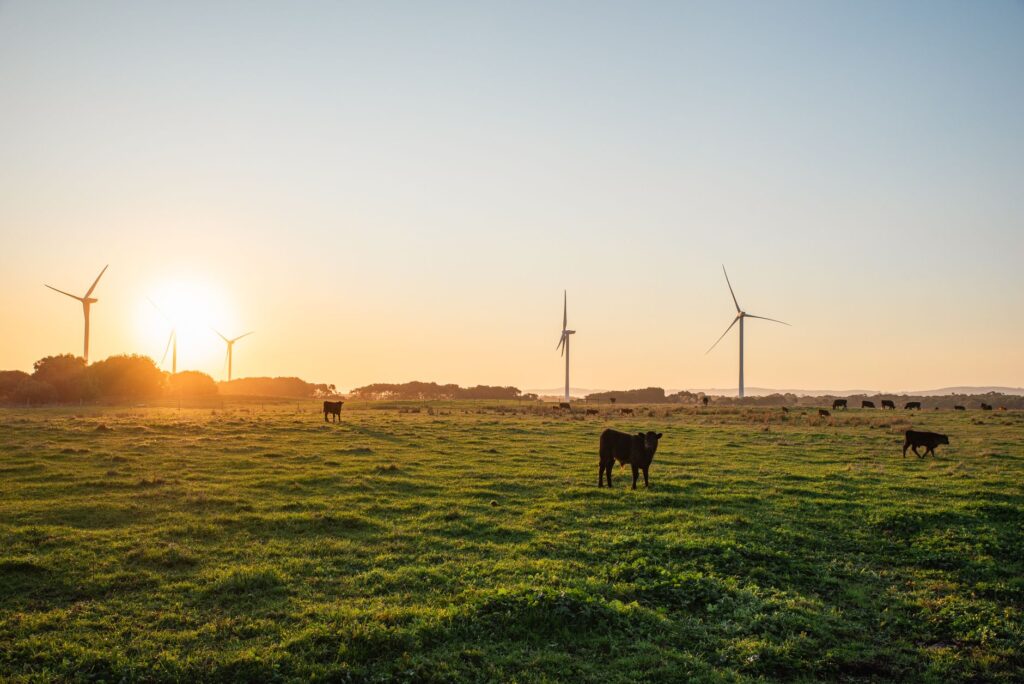
Australia hydrogen energy is gaining attention as scientists determine that the country’s vast red deserts could fuel a hydrogen-powered energy revolution. This breakthrough promises to reshape the future of energy production.
Understanding Hydrogen Energy
Hydrogen energy is increasingly recognized as a viable alternative to traditional fossil fuels, offering a cleaner and more sustainable energy source. In Australia, researchers have identified the country’s vast red deserts as potential hubs for hydrogen production, which could significantly contribute to the global energy landscape.
Hydrogen can be produced through various methods, the most common being electrolysis, where electricity is used to separate water into hydrogen and oxygen. This process becomes even more sustainable when powered by renewable energy sources, such as solar or wind. Australia, with its abundant sunlight and strong winds, is well-positioned to harness these resources for hydrogen production.
Key benefits of hydrogen energy include:
- Environmental Impact: Hydrogen produces only water vapor when burned, making it a clean alternative to carbon-emitting fuels.
- Energy Storage: Hydrogen can store excess energy generated from renewable sources, providing a buffer during low production periods.
- Economic Opportunities: The development of a hydrogen economy in Australia could lead to job creation and technological advancements.
As Australia hydrogen energy initiatives gain momentum, the nation is poised to become a leader in the global transition towards sustainable energy solutions.
The Role of Australia’s Deserts
Australia’s deserts play a crucial role in the nation’s ambition to become a leader in hydrogen energy. With vast open spaces and abundant sunlight, these arid regions present unique opportunities for renewable energy generation. The harsh climate and extensive land area are ideal for solar farms, which can be harnessed to produce green hydrogen through electrolysis.
According to recent studies, the potential for hydrogen production in these areas is immense. The following factors contribute to this potential:
- Solar Irradiance: Australia’s deserts receive some of the highest levels of sunlight in the world, making them perfect for solar energy capture.
- Land Availability: The vast, uninhabited regions allow for large-scale solar installations without competing for agricultural or urban space.
- Proximity to Export Markets: Coastal deserts can facilitate the transport of hydrogen to international markets, particularly in Asia.
As Australia continues to explore its hydrogen energy capabilities, the deserts emerge as a promising frontier for sustainable energy innovation. Harnessing these natural advantages could position Australia at the forefront of the global hydrogen market.
Benefits of Renewable Energy
The benefits of renewable energy are becoming increasingly evident as the world shifts towards sustainable solutions. In Australia, hydrogen energy emerges as a pivotal component in this transition, offering numerous advantages that can reshape the energy landscape.
- Environmental Impact: Hydrogen energy produces zero emissions at the point of use, significantly reducing the carbon footprint and contributing to cleaner air and a healthier planet.
- Energy Security: By harnessing local resources, Australia can reduce its dependence on imported fuels, enhancing national security and stability in energy supply.
- Job Creation: The growth of the hydrogen sector presents opportunities for job creation in research, manufacturing, and energy production, fostering economic development across the nation.
- Technological Innovation: Investing in hydrogen energy drives innovation in technology and infrastructure, paving the way for new advancements in energy storage and transportation.
- Versatility: Hydrogen can be utilized across various sectors, from transportation to industrial processes, making it a flexible solution to meet diverse energy needs.
As Australia continues to explore its hydrogen energy potential, the nation stands to reap significant rewards, positioning itself as a leader in the global renewable energy movement.
Innovations in Energy Production
Recent advancements in technology have positioned Australia as a leader in the hydrogen energy sector. Innovative methods for producing hydrogen from renewable sources are emerging, paving the way for a cleaner energy future.
One significant development is the use of solar and wind power to electrolyze water, a process that separates hydrogen from oxygen. This method not only generates hydrogen fuel efficiently but also minimizes carbon emissions, aligning with Australia’s commitment to sustainability.
Additionally, researchers are exploring new materials and catalysts to enhance the efficiency of hydrogen production. These innovations promise to reduce costs and increase the viability of hydrogen as a mainstream energy source.
Australia’s hydrogen energy potential is further amplified by its vast natural resources. The nation boasts some of the largest solar farms and wind installations, which can support large-scale hydrogen production. As the global demand for clean energy rises, Australia is uniquely positioned to meet this need.
- Electrolysis: A key technique for producing hydrogen using renewable energy sources.
- Innovative materials: Research into new catalysts can improve hydrogen production efficiency.
- Natural resources: Australia’s solar and wind capabilities enhance hydrogen energy prospects.
Challenges to Overcome
Despite the promising potential of Australia hydrogen energy, several challenges must be addressed to fully realize its benefits. One of the primary obstacles is the infrastructure required for production, storage, and distribution. Current facilities are limited, and significant investment is needed to develop a comprehensive network capable of supporting large-scale hydrogen initiatives.
Additionally, the production methods of hydrogen can impact sustainability. While renewable sources are ideal, many existing processes rely on fossil fuels, raising concerns about carbon emissions. Transitioning to greener production techniques, such as electrolysis powered by solar or wind energy, is essential but can be costly and technologically demanding.
Moreover, regulatory frameworks and government policies need to evolve to foster innovation and investment in the hydrogen sector. Clear guidelines and incentives can encourage private sector participation, but the pace of policy development has often lagged behind technological advancements.
Finally, public perception and awareness of hydrogen energy remain crucial. Education campaigns are necessary to inform communities about the benefits and safety of hydrogen as a clean energy source, helping to build support for its integration into Australia’s energy landscape.
Future of Hydrogen Technology
The future of hydrogen technology in Australia appears promising, with scientists and researchers actively exploring innovative solutions to harness this clean energy source. As the country seeks to reduce its carbon footprint, the potential of hydrogen energy is gaining attention, particularly in regions rich in sunlight and wind.
Key advancements that are shaping the future of hydrogen technology include:
- Electrolysis Improvements: Enhanced electrolysis methods are being developed to efficiently convert water into hydrogen using renewable energy sources.
- Storage Solutions: Innovative storage technologies are being explored to safely contain hydrogen, enabling it to be used when demand peaks.
- Fuel Cell Advancements: Ongoing research is focused on creating more efficient fuel cells that will power vehicles and other applications with minimal environmental impact.
Moreover, collaboration between government, industry, and academia is essential in driving these technologies forward. With Australia’s vast natural resources and commitment to sustainability, the nation is well-positioned to become a leader in the global hydrogen energy market. As these developments unfold, the vision of a hydrogen-powered future seems increasingly achievable.
Conclusion and Next Steps
In conclusion, Australia has a significant opportunity to lead the way in hydrogen energy, leveraging its vast red deserts and abundant renewable resources. The journey towards a sustainable future powered by hydrogen is not without challenges, but the advancements in technology and the commitment from both the government and private sectors signal a positive trajectory.
As we move forward, it is essential to focus on several key next steps:
- Investment in Research: Continued funding for research and development can drive innovations that enhance hydrogen production and storage solutions.
- Infrastructure Development: Building the necessary infrastructure for hydrogen distribution and utilization will be crucial in making this energy source accessible.
- Policy Support: Implementing supportive policies that encourage investment in hydrogen projects will help accelerate the transition.
- Public Awareness: Increasing awareness of the benefits and potential of hydrogen energy among the public can foster greater acceptance and support.
With these steps in mind, Australia can harness its potential in hydrogen energy, paving the way for a cleaner, more sustainable future.
As the world shifts towards cleaner energy sources, Australia hydrogen energy stands out as a viable solution to reduce carbon emissions. By investing in innovative technologies, Australia hydrogen energy can play a crucial role in achieving a sustainable future for the nation.
Photo by Richard Pan on Pexels





1 thought on “Australia Hydrogen Energy: Proven Path to a Sustainable Future”