Regulate AI: The Right Call for Clear Oversight
Regulate AI discussions are heating up as Bill Gates urges Congress to take action on artificial intelligence.
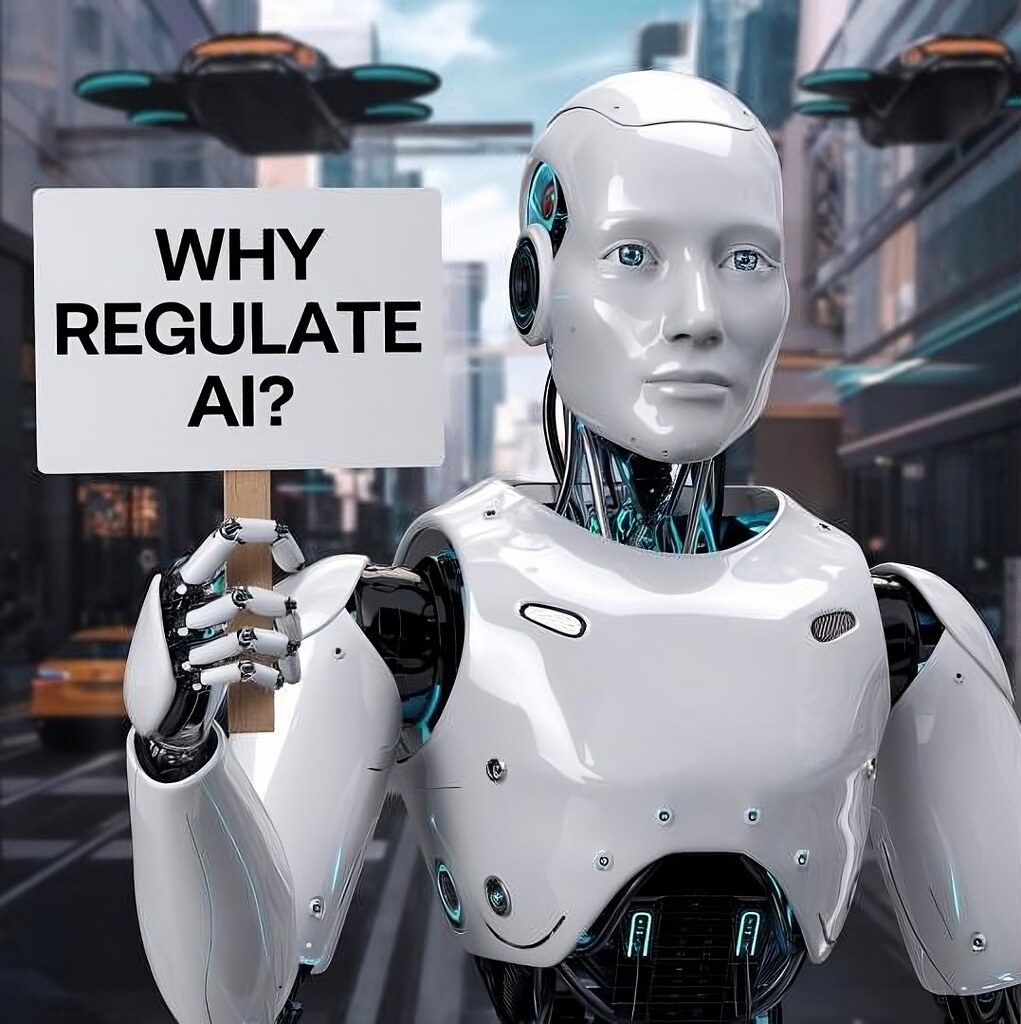
regulate AI is becoming a pressing topic as Bill Gates calls for Congress to implement necessary regulations on artificial intelligence.
Understanding AI Regulation
As artificial intelligence continues to advance rapidly, the need to regulate AI has become increasingly urgent. Industry leaders, including Bill Gates, have voiced their concerns about the potential risks associated with unchecked AI development. The complexity of these technologies raises questions about ethical standards, privacy, and security.
Understanding AI regulation involves several key components:
- Transparency: Clear guidelines must be established to ensure that AI systems operate in a manner that is understandable and accountable.
- Ethics: Developing frameworks that prioritize ethical considerations can help mitigate potential harm caused by AI applications.
- Collaboration: Cooperation between governments, tech companies, and civil society is essential to create a comprehensive regulatory environment.
- Adaptability: Regulations must be flexible enough to keep pace with the rapid evolution of AI technologies.
By addressing these aspects, policymakers can effectively navigate the challenges posed by AI, ensuring that innovation does not come at the expense of safety and public trust.
Bill Gates’ Perspective on AI
In a recent statement, Bill Gates emphasized the urgent need for Congress to regulate AI as a means to ensure its safe and ethical development. Gates, known for his influential role in the tech industry, expressed concern over the rapid advancements in artificial intelligence and the potential risks associated with its unchecked growth.
He pointed out several key areas where regulation could play a crucial role:
- Safety Standards: Establishing guidelines to ensure AI systems operate safely and do not pose threats to public security.
- Transparency: Mandating that AI algorithms be transparent to users and regulators, allowing for accountability in decision-making processes.
- Ethical Use: Advocating for frameworks that prioritize ethical considerations in AI applications, particularly in sensitive areas such as healthcare and criminal justice.
Gates’ perspective reflects a growing consensus among experts that proactive measures are necessary to navigate the complexities of emerging technologies. By calling for clear oversight, he stresses that responsible innovation is essential for harnessing the benefits of AI while mitigating its risks.
The Importance of AI Oversight
The rapid advancement of artificial intelligence (AI) technologies has sparked a significant debate about the need to regulate AI effectively. With its potential to transform industries and impact daily life, the importance of oversight cannot be overstated. As AI systems become more integrated into decision-making processes, the consequences of unregulated use could be dire.
There are several reasons why AI oversight is crucial:
- Safety: Unchecked AI can pose risks, including biased outcomes and unintended consequences.
- Accountability: Clear regulations can ensure that developers and users are held responsible for AI-driven decisions.
- Transparency: Oversight can promote transparency in how AI systems operate, fostering public trust and understanding.
- Innovation: A well-regulated environment can encourage ethical innovation, balancing progress with responsibility.
As Bill Gates emphasizes, the call for Congress to regulate AI is not merely a precaution; it is essential for navigating the complex landscape of modern technology and safeguarding society.
Potential Impacts on Businesses
The call to regulate AI has significant implications for businesses across various sectors. As companies increasingly integrate artificial intelligence into their operations, understanding the regulatory landscape becomes crucial. Here are some potential impacts on businesses:
- Compliance Costs: Businesses may incur additional costs to ensure compliance with new regulations, including hiring legal experts and implementing necessary changes to their AI systems.
- Innovation Stifling: Stricter regulations could inadvertently stifle innovation, as companies might become hesitant to explore new AI technologies due to fear of non-compliance or potential penalties.
- Market Fairness: Regulations could level the playing field, ensuring that all companies, regardless of size, adhere to the same standards, potentially benefiting smaller firms that struggle to compete with larger corporations.
- Consumer Trust: By establishing clear guidelines, businesses can enhance consumer trust in AI technologies, fostering a more positive public perception and encouraging adoption.
Overall, the decision to regulate AI presents both challenges and opportunities for businesses, necessitating proactive strategies to navigate this evolving landscape.
Future of AI Legislation
The future of AI legislation is poised to shape the landscape of technology and innovation. As discussions around how to regulate AI intensify, several key factors must be considered to ensure effective oversight.
Firstly, collaboration between the tech industry and lawmakers is essential. This partnership will facilitate a better understanding of AI technologies and their implications. Additionally, it is vital to establish clear frameworks that address ethical concerns while promoting innovation.
Moreover, the legislation must be adaptable. The rapid pace of AI development means that regulations must be flexible enough to accommodate new advancements and unforeseen challenges. This adaptability will help mitigate risks while encouraging responsible usage.
Finally, international cooperation is crucial. AI technology transcends borders, and a unified approach can prevent regulatory loopholes and ensure a level playing field. Countries need to work together to create standards that protect consumers and uphold ethical practices.
In conclusion, the future of AI legislation hinges on collaboration, adaptability, and international unity, paving the way for effective measures to regulate AI responsibly.
By Wesley Fryer via Openverse




1 thought on “Regulate AI: The Right Call for Clear Oversight”