Butterfly Wings Science: The Proven Connection to Barbershop Poles
Butterfly wings science reveals fascinating connections to barbershop poles. Discover how nature inspires design!
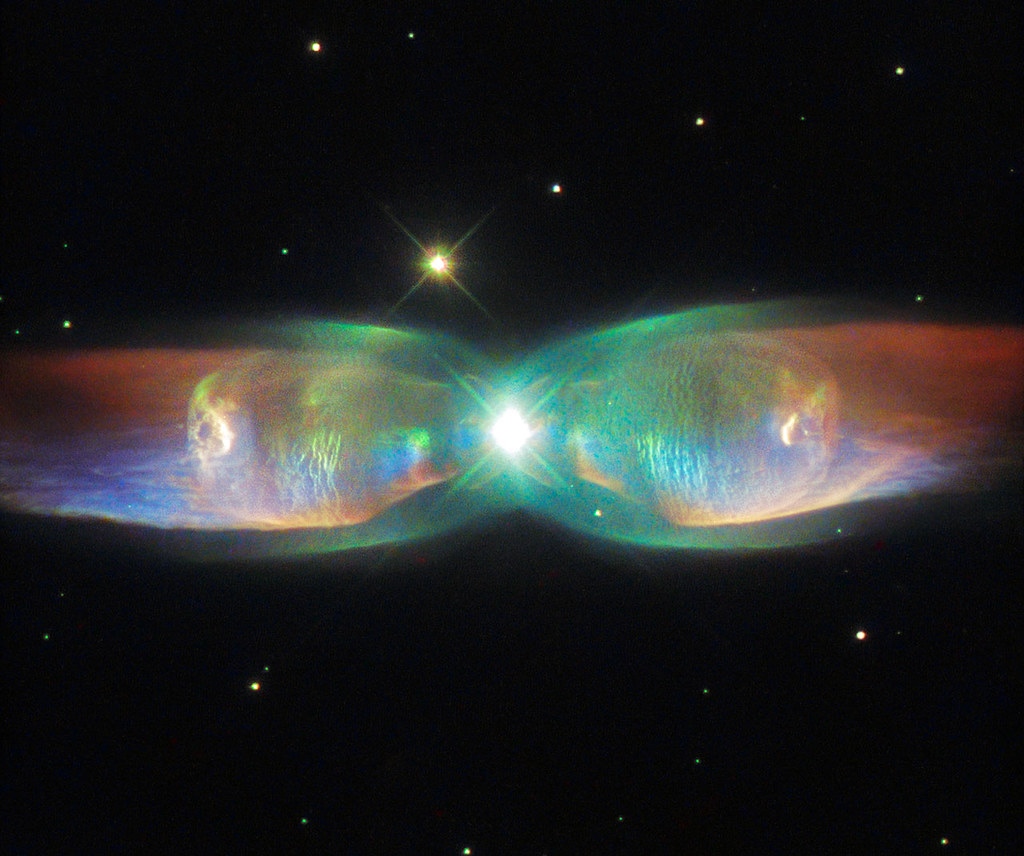
Butterfly wings science uncovers intriguing parallels between the patterns on butterfly wings and the stripes of barbershop poles. This fascinating exploration highlights the intersection of nature and human creativity.
The Science Behind Butterfly Wings
The intricate patterns and vibrant colors of butterfly wings have fascinated scientists for centuries. Recent research has revealed a surprising connection between the science behind butterfly wings and the visual effects created by barbershop poles.
Butterfly wings are not simply painted with color; they are structured in a way that manipulates light. This phenomenon occurs due to microscopic scales that create iridescence, leading to a dazzling array of hues and shades. Researchers have found that the way light interacts with these scales can be likened to the optical effects produced by the spiraled stripes of barbershop poles.
Both butterfly wings and barbershop poles utilize similar principles of color perception, captivating observers with their striking appearances. The alternating colors on barbershop poles, much like the patterns on butterfly wings, can create an optical illusion that draws the eye. This is particularly evident when the objects are in motion, enhancing their visual impact.
As scientists continue to study the complex interactions of light on butterfly wings, they discover not only their aesthetic beauty but also potential applications in technology, art, and design, making the study of butterfly wings science a rich field of inquiry.
Understanding Barbershop Pole Design
Barbershop poles are a familiar sight, often seen outside barbershops, but their design is not just a matter of tradition; it has scientific roots that connect to butterfly wings. The swirling colors of the pole are not only eye-catching but also serve a functional purpose, much like the unique patterns found on butterfly wings.
The design of a barbershop pole typically features a spiral of red and white stripes, which are believed to represent the barber’s role in medical procedures during medieval times. However, the science behind butterfly wings reveals that colors and patterns can influence visibility and attraction. This similarity in design highlights an intriguing intersection of art and biology.
Key elements that link the two include:
- Color contrast: Both butterfly wings and barbershop poles utilize high-contrast colors to stand out in their environments.
- Pattern dynamics: The patterns on butterfly wings can attract mates and deter predators, similar to how the swirling design of a barbershop pole captures the attention of passersby.
- Symbolism: Just as butterfly wings symbolize transformation, the barbershop pole has come to represent community and care.
Nature’s Influence on Human Art
Throughout history, nature has served as a profound source of inspiration for human art and design. One striking example of this is the connection between butterfly wings and barbershop poles. The iridescence and vibrant colors displayed in butterfly wings science have influenced various artistic expressions, showcasing how natural elements can shape human creativity.
Barbershop poles, traditionally featuring spiraling red and white stripes, have recently been examined for their visual impact. The patterns and colors of butterfly wings provide insight into how we perceive colors and shapes. The optical effects created by these wings are similar to the visual allure of barbershop poles, drawing attention and evoking emotions.
Moreover, the intricate designs of butterfly wings are not just beautiful; they are also functional. These patterns can inspire modern artists and designers to create works that blend aesthetics with purpose. The way light interacts with butterfly wings demonstrates principles of physics that can be applied to art, enhancing its depth and appeal.
In summary, the exploration of butterfly wings science opens up new avenues for understanding the interplay between nature and human art, highlighting the ways in which our environment influences our creative endeavors.
Exploring Patterns in Nature
The intricate patterns found on butterfly wings have long fascinated scientists and artists alike, revealing a profound connection between nature and human design. These vibrant patterns are not merely for aesthetic pleasure; they serve vital functions in the life of the butterfly, including camouflage, mate attraction, and thermoregulation. The unique structural coloration of butterfly wings, which allows them to reflect light in mesmerizing ways, demonstrates how nature influences our understanding of color and pattern.
In the realm of design, barbershop poles exhibit an interesting parallel to the patterns seen in butterfly wings. The spiraling stripes of the poles can evoke similar visual sensations as the vivid hues of butterfly wings. Just as butterflies utilize their colorful displays for survival, the design of barbershop poles has evolved to capture attention and convey a sense of tradition.
This intersection of butterfly wings science and human creativity highlights how observing the natural world can inspire innovative designs. As artists and designers continue to draw inspiration from nature, the patterns of butterfly wings remind us of the enduring connection between the environment and human expression.
Through this exploration, we see how patterns in nature not only inform scientific understanding but also enrich artistic endeavors, creating a harmonious dialogue between the two realms.
The Connection Between Color and Design
The connection between color and design is a fascinating aspect of both butterfly wings science and the iconic barbershop pole. The striking patterns and vibrant hues of butterfly wings serve not only as a form of beauty but also play a crucial role in communication and camouflage within their natural habitat.
Research has shown that the intricate designs of butterfly wings are not merely random; they are the result of millions of years of evolution. These patterns help butterflies attract mates, ward off predators, and adapt to their surroundings. Similarly, barbershop poles utilize bold colors and spiraling designs to attract attention and signify the services offered within. The alternating colors of red and white are instantly recognizable and have become a symbol of the barbering profession.
Both butterfly wings and barbershop poles exemplify how color and design can convey messages and evoke emotions. The scientific study of butterfly wings has inspired artists and designers to incorporate natural patterns into their work, bridging the gap between nature and human creativity. In essence, the beauty found in butterfly wings science not only enhances our understanding of nature but also influences the way we perceive and create art in everyday life.
Recent studies in butterfly wings science have revealed fascinating patterns that mirror the design of traditional barbershop poles. This butterfly wings science connection highlights the beauty of nature’s influence on human creativity and design.
By NASA Goddard Photo and Video via Openverse




1 thought on “Butterfly Wings Science: The Proven Connection to Barbershop Poles”