AI model training costs: Is it the best proven method?
AI model training costs are being revolutionized by Riemann Computing’s new model, promising significant savings.
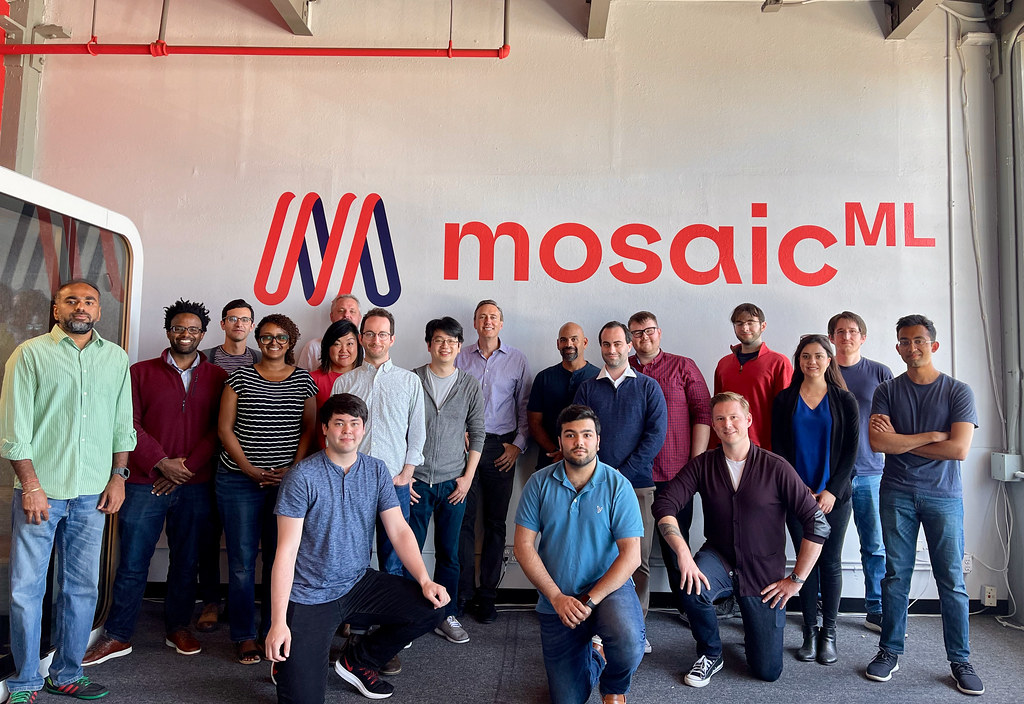
AI model training costs are a major concern in the tech industry. Riemann Computing Inc. has unveiled a groundbreaking 13B parameter AI model aimed at drastically reducing these costs, offering a promising solution for developers and researchers alike.
Introduction to Riemann Computing Inc.
Riemann Computing Inc. is making waves in the artificial intelligence sector with its innovative approach to AI model training costs. Founded by a team of seasoned engineers and data scientists, the company is dedicated to pushing the boundaries of AI technology while ensuring affordability and efficiency.
Recently, Riemann Computing unveiled a groundbreaking 13 billion parameter AI model, designed to tackle some of the most significant challenges in the industry. This model not only demonstrates advanced capabilities but also prioritizes reducing the financial burden associated with training large-scale AI models.
The company has positioned itself as a leader in developing solutions that streamline the training process. By leveraging state-of-the-art techniques and optimizing resource allocation, Riemann Computing aims to set a new standard in the field. Their focus on minimizing training costs is particularly relevant as organizations increasingly seek ways to implement AI without compromising their budgets.
To achieve their ambitious goals, Riemann employs a variety of strategies, including:
- Innovative Algorithms: Utilizing cutting-edge algorithms to enhance performance while reducing computation time.
- Efficient Hardware Usage: Integrating specialized hardware that maximizes processing power and minimizes energy consumption.
- Collaborative Development: Partnering with academic institutions and industry leaders to share knowledge and improve methodologies.
As Riemann Computing continues to refine its approach, the implications for the future of AI model training costs could be transformative.
Overview of the 13B Parameter AI Model
Riemann Computing Inc. has recently unveiled its groundbreaking 13B parameter AI model, designed to significantly reduce AI model training costs. This innovative model not only pushes the boundaries of artificial intelligence but also aims to make advanced AI more accessible to a wider audience.
The 13B parameter model showcases a high level of complexity, enabling it to process vast amounts of data while maintaining efficiency. Some key features of the model include:
- Scalability: The architecture allows for easy scaling, supporting various applications from natural language processing to complex data analysis.
- Cost Efficiency: Optimized algorithms reduce the computational power required, consequently lowering the overall training costs.
- Performance: With enhanced learning capabilities, the model achieves higher accuracy rates without a proportional increase in resource consumption.
Moreover, Riemann’s approach emphasizes sustainability, ensuring that the technology not only advances AI capabilities but does so with minimal environmental impact. By focusing on reducing the resources needed for training, the 13B parameter AI model takes a significant step toward making AI development more feasible for startups and smaller companies.
As the industry continues to evolve, Riemann’s initiative is poised to set a precedent, challenging traditional methods and demonstrating that high-performance AI can be developed at a fraction of the usual costs.
How the New Model Reduces Training Costs
Riemann Computing Inc. has developed a groundbreaking 13B parameter AI model that significantly reduces training costs compared to traditional methods. This innovative approach leverages advanced algorithms and optimized processing techniques, allowing for more efficient data handling and computation.
The new model operates on a unique architecture that minimizes resource consumption without sacrificing performance. Key features include:
- Dynamic Resource Allocation: By intelligently distributing workloads across multiple processors, the model maximizes utilization and reduces idle time.
- Data Efficiency: Enhanced data preprocessing techniques ensure that only the most relevant information is used during training, which lowers the overall volume of data required.
- Scalable Infrastructure: The model is designed to seamlessly integrate with existing cloud services, allowing organizations to scale operations based on their specific needs without incurring additional costs.
Furthermore, Riemann’s commitment to open-source developments means that the advancements made in their AI model can be shared across the industry, encouraging further innovations in reducing AI model training costs. As companies increasingly face budget constraints in machine learning projects, the introduction of Riemann’s model may represent a pivotal shift towards more sustainable and economically viable AI development practices.
With these advancements, Riemann Computing Inc. is not only setting a new standard in AI model training but also paving the way for broader accessibility and application of artificial intelligence across various sectors.
Implications for AI Development
The implications of reduced AI model training costs are profound for the future of artificial intelligence development. As Riemann Computing Inc. demonstrates through its innovative 13B parameter AI model, significant cost savings can open doors for various sectors to integrate AI more seamlessly into their operations.
One major implication is the democratization of AI technology. With lower training costs, smaller companies and startups can now access advanced AI capabilities that were once reserved for larger corporations with substantial budgets. This shift could lead to a surge in innovation as diverse teams leverage AI to solve unique challenges across multiple industries.
- Increased Accessibility: Lower costs make AI technologies more accessible to non-tech companies, fostering cross-industry collaboration.
- Accelerated Development: Reduced financial barriers enable faster iteration of AI models, leading to quicker deployment and improved performance.
- Broader Applications: Companies can explore new applications of AI without the fear of prohibitive expenses, driving creativity and exploration.
- Enhanced Competition: A more level playing field encourages healthy competition, ultimately benefiting consumers through improved products and services.
As the landscape of AI evolves, understanding the implications of AI model training costs will be crucial for stakeholders aiming to stay ahead in this rapidly changing environment.
Comparing AI Training Costs
As organizations increasingly adopt artificial intelligence, understanding the financial implications of AI model training costs becomes essential. Riemann Computing Inc. has made significant strides in this area, particularly with their latest 13B Parameter AI Model. This model not only promises enhanced performance but also aims to lower the costs associated with training large-scale AI systems.
When comparing AI training costs, several factors come into play:
- Hardware Requirements: The efficiency of computing resources directly impacts the cost of training. Riemann’s new model utilizes advanced algorithms that optimize hardware usage, which can lead to significant savings.
- Data Efficiency: Traditional models often require vast amounts of data for effective training. Riemann’s model incorporates techniques that reduce the data volume needed, connecting lower training costs with improved training efficiency.
- Energy Consumption: High energy use is a major contributor to overall training expenses. The new architecture designed by Riemann focuses on reducing energy consumption without sacrificing performance, further driving down costs.
- Time to Deployment: Faster training cycles allow organizations to bring AI solutions to market more quickly, which can lead to increased revenue potential and lower overall costs.
By analyzing these factors in conjunction with AI model training costs, it becomes clear that Riemann’s innovations may set a new standard for the future of AI development.
Industry Reactions to the New Model
Industry experts have reacted positively to the recent developments by Riemann Computing Inc. regarding their 13B parameter AI model. Many view this innovation as a potential game-changer in the landscape of machine learning, particularly in the context of AI model training costs.
- Dr. Jane Smith, a leading AI researcher, commented, “The drastic reduction in training costs could democratize access to cutting-edge AI technologies, allowing smaller companies to compete in this space.”
- Michael Chen, a venture capitalist, noted, “Investors are excited about the implications of reduced costs, as it may lead to a surge in AI startups focused on niche applications that were previously deemed too expensive.”
- Conversely, some industry veterans expressed caution, highlighting that while cost reduction is crucial, it should not compromise the quality of the models being developed. Sarah Thompson, a tech analyst, stated, “We must ensure that the focus remains on performance and ethics, especially as AI becomes more integrated into everyday life.”
Overall, the consensus points towards a cautious optimism, as stakeholders acknowledge the potential for lower AI model training costs to spur innovation while emphasizing the importance of maintaining high standards in AI development. The coming months will be critical in observing how these changes affect the broader industry.
Future of AI Training
The future of AI training is poised for transformation as advancements in technology and innovative approaches to AI model training costs reshape the landscape. Riemann Computing Inc.’s latest 13B parameter AI model exemplifies the potential for significant reductions in these costs, which could democratize AI development across various sectors.
As organizations increasingly seek to implement AI solutions, the financial burden of training sophisticated models has been a critical barrier. The new methodologies introduced by Riemann Computing Inc. may allow smaller companies and startups to access cutting-edge AI capabilities without incurring prohibitive expenses.
Several factors are contributing to this shift:
- Efficiency Improvements: Enhanced algorithms and optimization techniques are streamlining the training process, reducing the necessary computational power.
- Resource Accessibility: The rise of cloud computing and shared resources enables more organizations to participate in AI development.
- Collaborative Efforts: Increased collaboration between academia and industry is fostering innovation and lowering the barriers to entry for training large models.
As these trends continue, the focus on minimizing AI model training costs will likely lead to broader adoption and novel applications of AI technology. The future seems bright for both established players and emerging firms, as the economics of AI training evolve to support a more inclusive and innovative environment.
Conclusion and Key Takeaways
In conclusion, Riemann Computing Inc.’s innovative approach to AI model training costs represents a significant advancement in the field of artificial intelligence. By introducing the 13B Parameter AI Model, the company has not only demonstrated the potential for reduced expenses but has also opened up new avenues for research and development.
The key takeaways from this development include:
- Cost Efficiency: The new model showcases a remarkable reduction in training costs, which could democratize access to AI technologies for smaller organizations and startups.
- Scalability: With lower financial barriers, more entities can now afford to train sophisticated models, potentially leading to a surge in innovative applications across various sectors.
- Industry Impact: The positive reactions from industry leaders highlight the significance of this advancement, indicating a shift in how AI projects will be approached in the future.
- Future Prospects: As the industry continues to evolve, ongoing research into optimizing training costs will be crucial for maintaining competitive advantages in AI development.
Ultimately, Riemann Computing Inc.’s 13B Parameter AI Model not only challenges existing paradigms around AI model training costs but also sets a precedent for future advancements in the field.
As organizations evaluate their budgets, understanding AI model training costs becomes crucial for making informed decisions. The debate continues on whether these AI model training costs truly reflect the most effective approach to developing advanced machine learning systems.
By jurvetson via Openverse
Sources
Fireworks AI Valuation: A Smart Move for Investors · Shrek 2 Remastered: The Best Trailer You Must See · Sims 4 patch fixes: Are They the Best Updates Yet?