Reverse Coral Bleaching: Quick Proven Method Discovered
Reverse coral bleaching has been achieved at record speed, offering hope for dying reefs.
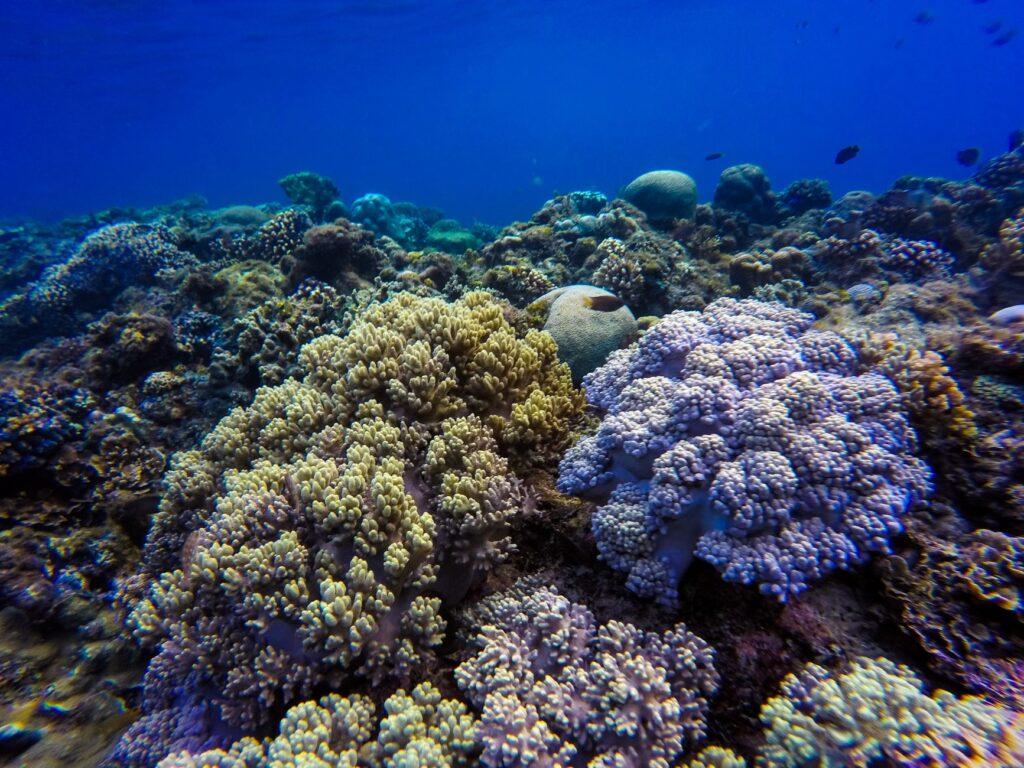
reverse coral bleaching is now possible at record speed, thanks to groundbreaking research by scientists. This discovery could be a game-changer for coral reefs worldwide.
Understanding Coral Bleaching
Coral bleaching is a phenomenon that occurs when corals become stressed due to environmental factors, leading them to expel the symbiotic algae, known as zooxanthellae, that give them color and provide essential nutrients. This process can result in a stark white appearance and threatens the survival of coral reefs, which are vital ecosystems for marine life.
Several factors contribute to coral bleaching, including:
- Rising sea temperatures: Elevated temperatures can cause stress, leading to bleaching.
- Ocean acidification: Increased carbon dioxide levels affect the chemical balance of seawater.
- Pollution: Nutrient runoff and contaminants can harm corals.
- Overexposure to sunlight: Prolonged exposure can exacerbate stress conditions.
Recent research has focused on finding methods to combat this alarming trend. The discovery of a quick proven method to reverse coral bleaching offers hope for restoring these vital ecosystems. By enhancing the resilience of corals and promoting the repopulation of zooxanthellae, scientists aim to bring life back to bleached reefs. In the face of climate change, understanding and addressing the causes of coral bleaching is essential for the preservation of marine biodiversity and the health of our oceans.
The Importance of Coral Reefs
Coral reefs are among the most vital ecosystems on our planet, providing numerous benefits to marine life and human populations alike. These underwater structures are home to a diverse array of species, supporting about 25% of all marine organisms. The health of coral reefs is essential not only for biodiversity but also for the livelihoods of millions of people who rely on fishing and tourism.
Moreover, coral reefs play a significant role in protecting coastal areas from erosion and extreme weather events. They act as natural barriers, absorbing wave energy and reducing the impact of storms, thereby safeguarding coastal communities and infrastructure.
However, the alarming phenomenon of coral bleaching poses a severe threat to these ecosystems. Factors such as rising sea temperatures and pollution can lead to significant coral loss, jeopardizing the intricate balance of marine life. Fortunately, recent advancements in marine science have led to promising developments in reverse coral bleaching. This innovative approach aims to restore coral health quickly and effectively, offering hope for the future of these essential ecosystems.
As we confront the challenges posed by climate change, it is crucial to prioritize the preservation and restoration of coral reefs, ensuring they continue to thrive for generations to come.
How Scientists Made This Discovery
In a groundbreaking study, scientists have unveiled a method to reverse coral bleaching at an unprecedented pace. This discovery stems from years of research aimed at understanding the factors contributing to coral health and resilience. The team, led by marine biologists, conducted experiments in controlled environments that mimicked natural conditions.
By adjusting various parameters, such as temperature and nutrient levels, they observed significant improvements in coral vitality. The key findings included:
- Innovative Nutrient Application: The scientists applied a specific blend of nutrients that stimulated coral growth and enhanced their natural pigments, which are essential for photosynthesis.
- Temperature Regulation: They discovered that maintaining slightly cooler temperatures during peak sunlight hours allowed corals to recover from stress more effectively.
- Microbial Interventions: Introducing beneficial microbes helped to restore the coral’s symbiotic relationship with algae, crucial for their survival.
This method represents a significant advancement in the field of marine biology, offering hope for the future of coral reefs. As reverse coral bleaching techniques gain traction, further research is underway to implement these strategies on a larger scale, potentially saving numerous ecosystems around the globe.
Impacts of Coral Bleaching
Coral bleaching poses a significant threat to marine ecosystems, leading to the loss of biodiversity and the disruption of aquatic life. The impacts of coral bleaching are far-reaching and can affect not only marine species but also human communities that rely on coral reefs for their livelihoods.
When corals expel the symbiotic algae living in their tissues, they lose their color and, more importantly, their primary source of energy. This process can result in:
- Decline in Fish Populations: Many fish species depend on coral reefs for habitat and food. The degradation of these ecosystems can lead to a decrease in fish populations, affecting local fisheries and economies.
- Loss of Biodiversity: Coral reefs are home to approximately 25% of all marine species. Bleaching can result in the extinction of sensitive species and disrupt the ecological balance.
- Impact on Coastal Protection: Healthy coral reefs act as natural barriers against storms and erosion. Coral bleaching can weaken these structures, increasing vulnerability to natural disasters.
- Socioeconomic Effects: Communities that depend on tourism, fishing, and recreation suffer economic losses as coral reefs decline.
However, recent advancements in understanding reverse coral bleaching offer hope for the restoration of these vital ecosystems.
Future of Coral Conservation
The future of coral conservation looks promising as researchers continue to explore innovative methods to combat the adverse effects of climate change. The recent discovery surrounding reverse coral bleaching has opened new avenues for restoring damaged coral reefs, which are vital for marine biodiversity and coastal protection.
Experts emphasize the importance of implementing large-scale conservation strategies that integrate this innovative approach. These strategies may include:
- Restoration Projects: Initiatives that focus on reintroducing healthy coral species to affected areas.
- Monitoring and Research: Continuous study of coral health and environmental conditions to adapt and refine restoration techniques.
- Community Engagement: Involving local communities in conservation efforts to foster a sense of ownership and responsibility towards coral ecosystems.
- Policy Development: Advocating for stronger regulations to mitigate pollution and climate change impacts on marine environments.
As scientists refine the quick proven method of reversing coral bleaching, there is hope that these efforts will not only save coral reefs but also restore the delicate balance of marine ecosystems. Through collaborative action, we can ensure a vibrant future for coral reefs and the myriad of species that depend on them.
Community Involvement in Research
The recent discovery of a quick method to reverse coral bleaching has sparked significant interest in community involvement in coral research and conservation efforts. Local communities play a crucial role in supporting scientific initiatives aimed at restoring coral reefs.
Engagement from the public can take various forms, including:
- Citizen Science: Community members can participate in data collection, monitoring coral health, and reporting changes in reef conditions.
- Education Programs: Workshops and seminars can be organized to inform residents about the importance of coral reefs and the impacts of bleaching, encouraging them to become advocates for conservation.
- Volunteer Opportunities: Local organizations often seek volunteers for reef restoration projects, allowing community members to actively contribute to the recovery process.
- Funding and Support: Communities can help fund research initiatives or support local businesses that prioritize sustainable practices, directly impacting coral health.
By fostering a collaborative approach, the community can significantly enhance efforts to reverse coral bleaching. This model not only empowers individuals but also builds a stronger foundation for long-term coral conservation and resilience against future environmental challenges.
Next Steps for Coral Restoration
As researchers celebrate the breakthrough in reverse coral bleaching, the next steps for coral restoration are crucial to ensure the longevity of these vital ecosystems. The newly discovered method has shown promising results, but further initiatives must be implemented to maximize its effectiveness.
Key actions to consider in the restoration process include:
- Monitoring Coral Health: Continuous assessment of coral reefs is essential to track recovery progress and adapt strategies as needed.
- Community Engagement: Involving local communities in conservation efforts fosters a sense of ownership and promotes sustainable practices that protect coral habitats.
- Research Collaboration: Strengthening partnerships between scientists, conservationists, and policymakers will enhance the effectiveness of restoration projects.
- Education and Awareness: Raising awareness about the importance of coral reefs and the benefits of reverse coral bleaching can lead to greater public support.
- Habitat Protection: Establishing marine protected areas can help safeguard coral reefs from overfishing, pollution, and other threats.
By integrating these steps, the scientific community and stakeholders can work together to ensure a brighter future for coral reefs, effectively utilizing the newfound method of reverse coral bleaching for restoration efforts.
Researchers have made significant strides in developing techniques that promote reverse coral bleaching, offering hope for the survival of these vital ecosystems. The newly discovered method for reverse coral bleaching has shown promising results in restoring vibrant marine habitats.
Photo by John Cahil Rom on Pexels
Sources
You might also like
Touchscreen MacBook debut: Clear expectations for November 6 · OpenAI aurora alpha models: The Smart New API Feature · Achievement Sets Steam: The Best Way to Earn Achievements